٦ مايو ٢٠٢٦ م
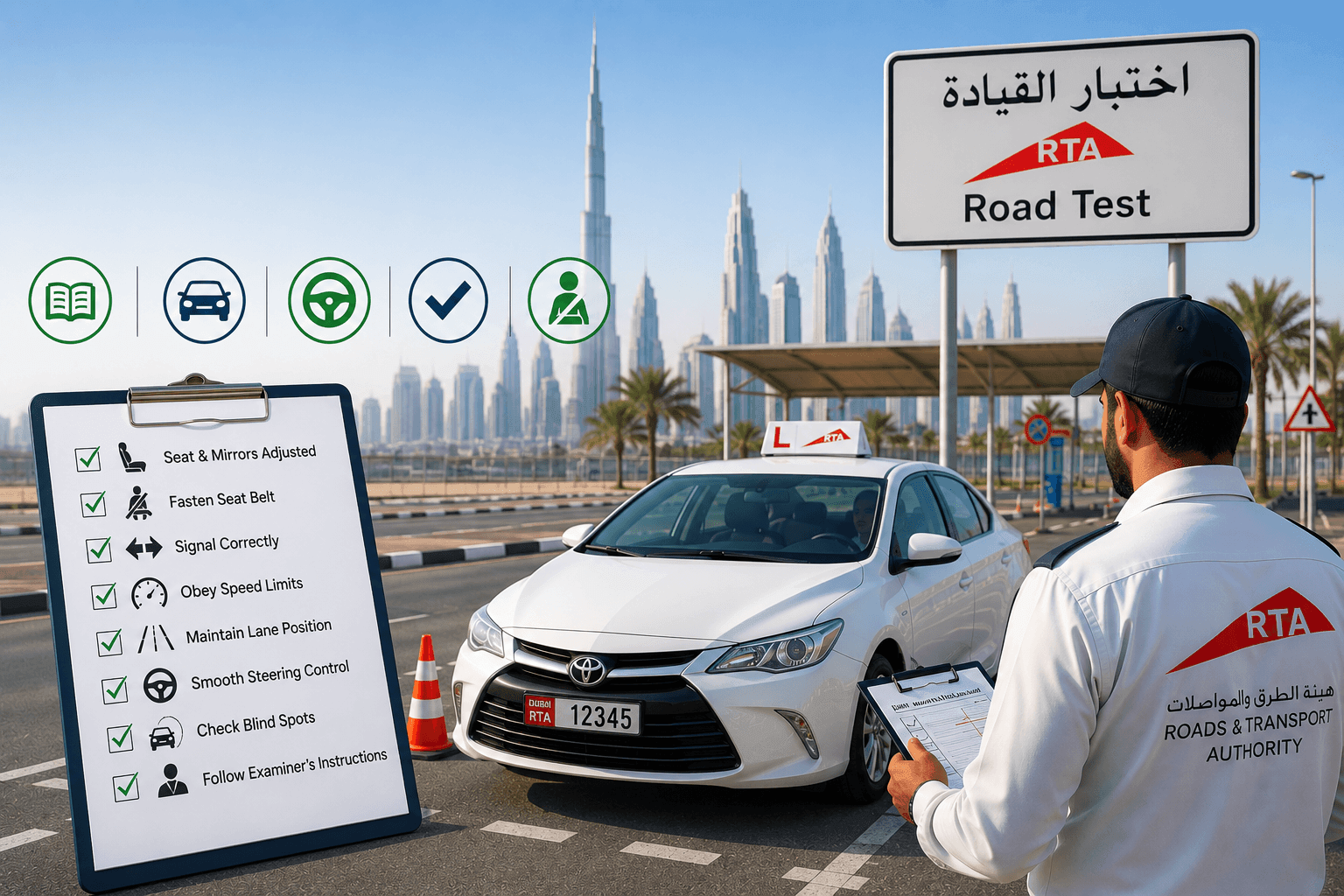
How To Pass RTA Road Test
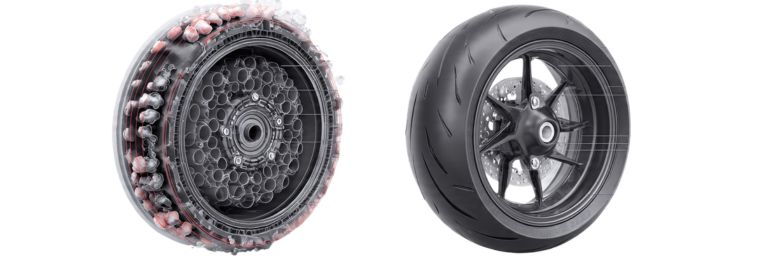
When it comes to motorcycles, tyres aren’t just rubber circles. They are engineered safety components built with a complex tyre carcass, advanced synthetic rubber compound, and carefully designed bead design that locks tightly onto the rim.
Whether you're leaning at extreme lean angle stability, cruising on highways, or riding during monsoon riding conditions, your tyres determine your road contact patch, traction control, and braking precision.
So the real question isn’t just tubeless vs tube-type — it’s which construction suits your riding needs and complies with proper OEM specifications.
Let’s break it down properly.
Tyre type directly impacts:
It also determines how efficiently the tyre maintains recommended PSI (Pounds per Square Inch).
Tube-type tyres use a separate inner tube for air retention.
Unlike tubeless tyres, they lack a built-in air retention layer.
They are commonly seen in off-road setups due to flexibility advantages.
However, they may not always match modern ISO standards or BIS certification requirements in high-speed environments.
The biggest risk?
A sudden tyre blowout if the inner tube ruptures.
At high speeds, this may compromise speed rating safety limits and even cause rim damage.
Heat buildup increases due to internal friction, affecting the tyre’s load index performance capacity.
Tubeless tyres eliminate the inner tube by integrating an internal air retention layer.
They rely on precision-engineered bead design to seal tightly against alloy wheels.
Many modern tubeless tyres use reinforced steel belts to improve structural integrity.
Because there’s no tube friction:
In hot climate performance conditions (especially relevant in India), this matters significantly.
If punctured by a nail:
Minor punctures can be repaired using:
Regardless of tyre type, always check:
Ignoring these specs reduces safety margins.
| Factor | Tubeless | Tube-Type |
|---|---|---|
| Air Retention | Built-in air retention layer | Separate tube |
| Heat | Lower | Higher |
| Blowout Risk | Lower | Higher |
| Repair | Mushroom plug repair possible | Tube replacement |
| Lifecycle | Better lifecycle cost | Higher long-term maintenance |
In Indian monsoon riding conditions, wet grip becomes critical.
Tubeless tyres typically offer:
For hardcore off-roading:
But ensure tyres meet minimum BIS certification safety norms.
If you ride in city traffic, highways, or variable climate conditions, tubeless tyres offer:
However, for extreme terrain where rim flexibility matters, tube-type tyres remain relevant.
The smarter choice?
Follow your motorcycle’s OEM specifications, maintain correct PSI, monitor the TWI, and choose tyres aligned with your riding style.
Because at the end of the day, your tyres are your real safety system.
Ride smart. Ride informed.
Yes. Tubeless tyres lose air slowly during punctures, reducing the risk of sudden blowouts.
Not without proper sealing or conversion kits. Spoke rims are not naturally airtight.
Generally, tubeless tyres last longer due to reduced heat buildup.
No. While they cost more initially, maintenance is usually easier and cheaper over time.
Large cuts cannot be temporarily fixed with plugs. The tyre may need replacement.