May 6, 2026
How To Pass RTA Road Test
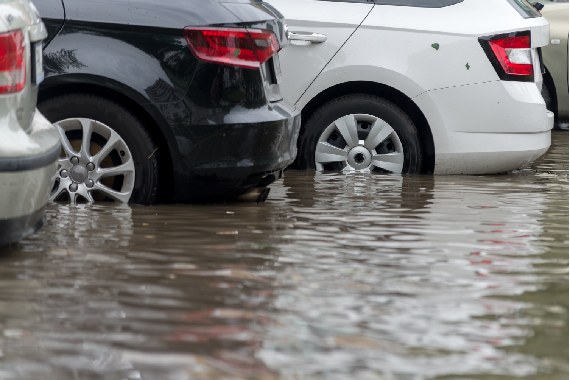
The UAE's weather is quite surprising. One moment, it's scorching hot, and the very next minute, there's a heavy rainstorm. These sudden downpours often lead to flooding, turning streets into rivers. Cars are the first casualties when the waters rise, including their tires. However, recovering the car and the tire can be a challenging task.
But you can successfully tackle these problems with the right information and methods. In this blog, learn how to assess the damage, recover the tire, and maintain it after a flood for improved safety.
Once you identify the damages in the car and tyres, it's time to recover them. Find the effective solutions below to save your vehicle.
If you have insurance already, take images of the damaged parts and tyres, focusing on any visible anomalies. Keep a record of the flood incident, such as the time, date, and information for insurance claims. Once you have everything, contact your insurance provider to determine the coverage and the next necessary steps.
Use fresh water to remove any mud, debris, or contaminants. If you have a high-pressure washer, that works even better to remove any stubborn debris from tyre threads and exposed parts of the car.
Utilize towels to remove the excess moisture from the entire car and whenever possible, allow the car to air dry in the sunlight. This will help in removing contaminants and evaporation of the moisture. Avoid heat sources like hairdryers, as excessive heat can damage car parts and tyres rubber.
Avoid driving at high speeds, especially after the flood. Keep noticing any changes in how your tires perform for a while. Schedule regular tire inspections to analyze any developing changes and fix them.
Have a proper inspection of your car by a mechanic and a tyre specialist post-flood. This will help them examine any flood damage that is hidden and can become a problem later. Follow the instructions they give to make sure your vehicle and tyres are well protected.
After the flood, the first thing you should do is inspect the tire's damages. This will help you understand their current condition. Look out for:
Identify signs of flood damage. It can be accumulated mud, water lines on the tyres, debris stuck in the treads, or anything unusual in the tires.
Look inside the tire for water lines, moisture droplets, dirt, or sediment. Also, check for blisters & cracks in the tire rubber, discoloration, and corrosion on the rims, which indicate water penetration and retention into the tyres.
Use a tire pressure gauge to measure the pressure. Compare the readings to the recommended pressure for your vehicle. If the pressure is low, it indicates damage.
For an easy solution, mix soap and water and spray it gently on the tire surface. Let it sit for a few seconds. Any bubbles in the tyres might indicate that there is an air leak from the tyres.
You don't want your tires to get damaged again. That’s why taking proper care and maintenance is essential for longevity and performance.
Rotate the tires regularly to extend their lifespan. This ensures consistent performance, especially after the flood. If you want a guide, you can stick to manufacturer recommendations for tyre rotation intervals based on your vehicle's model.
After the flood, choose a water-based tire protectant with UV protection. You don't want your tyres to get damaged again due to changing weather conditions. Avoid tyre protectants with harmful chemicals. They will damage the tyre rubber. While applying the protectant, follow the instructions given to ensure even distribution across the tyre surface.
Some signs of damage in tires take time to show. It's important to regularly check the tyre pressure with a good-quality pressure gauge after a flood. This will ensure safety and better performance. The tyres should be inflated to the PSI recommended by the manufacturer. If you see any fluctuation in temperature or minor leaks, adjust the pressure.
It is important to keep a close eye on tyres for any signs of cracks or tears after a flood. Even while driving, pay attention to any vibrations or unusual noise coming from the tire. This might be a sign that your tire needs inspection or replacement. If you can't find the tires due to the demand, you can Buy Tyres Online in UAE to save you from the hassle.
In case your car's tyres get damaged during the flood, it is better to replace them post-flood for better safety. When searching for the Best Tyres Dealers in Abu Dhabi, prioritize reputation and customer feedback. The tyres should be of high quality and from trusted brands. They should also have experienced staff that can guide you further.
Recovering your car tyres from flood damage in the UAE requires fast and careful attention. Assess the damage as soon as possible and take immediate steps to recover the car to ensure the safety and longevity of your tyres regardless of any unpredictable weather conditions. Following these steps will help keep your car and tires safe and last longer.
If you're looking to replace or buy new tyres after flood damage, explore wide range of tyres available at TyresCart. We are a leading Online Tyre Shop Dubai for purchasing summer as well as all weather tyres with expert advice on which tyre suits best for your vehicle as per UAE's harsh weather conditions.
After flood exposure, rinse your tyres with clean water to remove mud and contaminants, dry them thoroughly, and inspect for visible damage such as cracks, bulges, or debris stuck in the tread. Avoid driving until a basic inspection is completed.
You can identify tyre damage by checking for water lines, trapped debris, air leaks, cracks, discoloration, or reduced tyre pressure. If you notice vibrations or unusual noise while driving, it’s best to get a professional inspection.
It is not recommended to drive immediately after a flood. Floodwater can weaken tyre structure and cause hidden damage. Drive only short distances at low speeds until your tyres are inspected by a professional.
Yes, prolonged exposure to floodwater can damage tyre rubber, cause internal weakening, and lead to corrosion on rims. In severe cases, replacing the tyres is the safest option.
To prevent damage, park your vehicle in elevated areas, regularly check tyre pressure, apply tyre protectant, and inspect tyres after heavy rains. Investing in high-quality tyres also improves durability against harsh conditions.