May 6, 2026
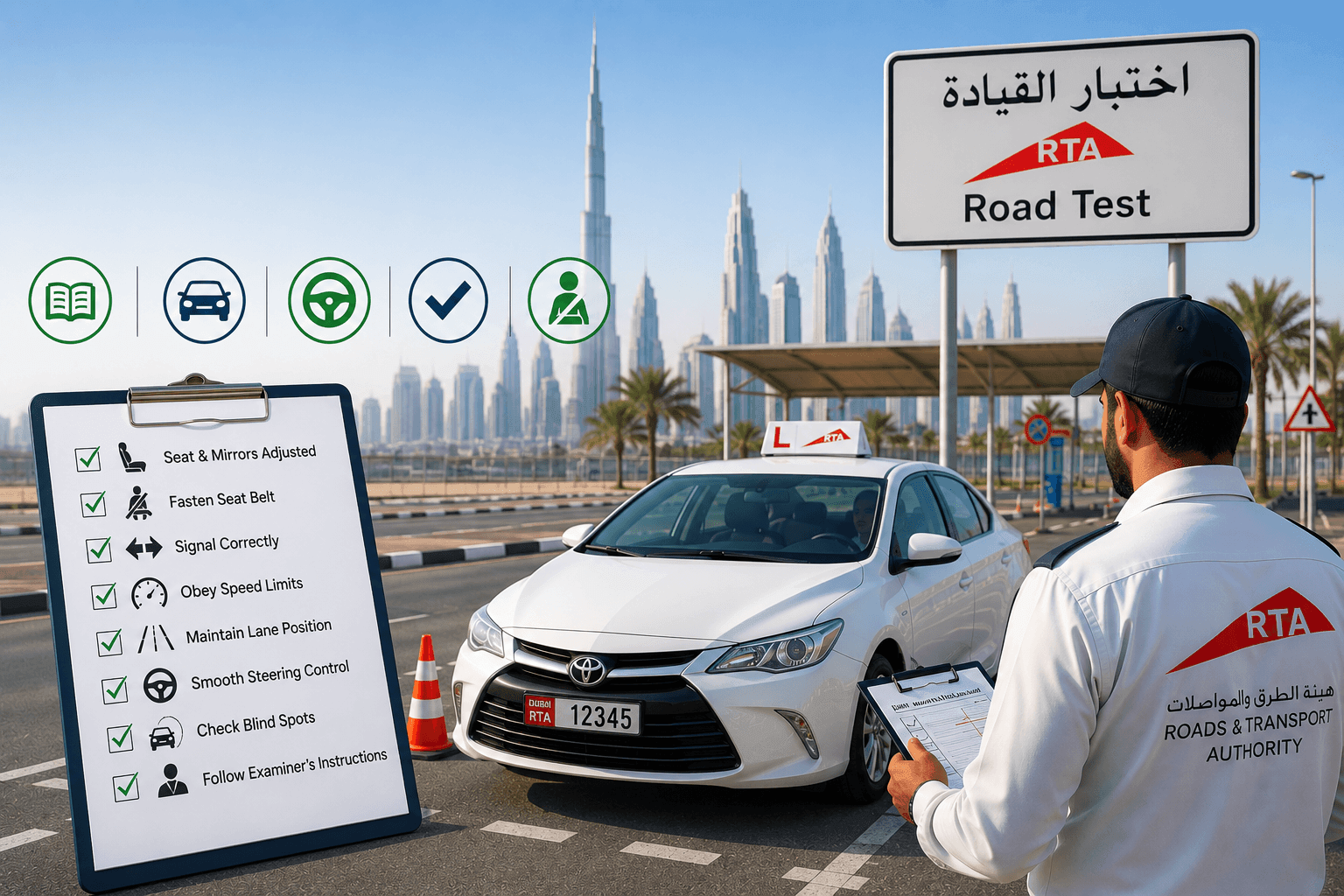
How To Pass RTA Road Test

The petrol price in UAE is updated every month based on global crude oil rates and market conditions. The pricing mechanism is influenced by the UAE fuel price regulation system managed by the UAE Fuel Price Committee, which aligns local fuel rates with international benchmarks such as Brent crude oil. Staying informed about the latest fuel price in UAE helps drivers manage travel costs, especially for daily commuting and long-distance driving. The current diesel price in UAE is also crucial for commercial vehicles and transport businesses.
Last Updated: May 2026
| Fuel Type | Price |
|---|---|
| Super 98 Petrol | 3.66 AED/L |
| Special 95 Petrol | 3.55 AED/L |
| E-Plus 91 Petrol | 3.48 AED/L |
| Diesel | 4.69 AED/L |
Fuel prices in the UAE are regulated and revised monthly to reflect international oil market trends. These updates are implemented by major oil marketing companies such as ENOC, ADNOC, and Emarat, ensuring standardized pricing across all emirates.
| Month | Super 98 | Special 95 | EPlus 91 | Diesel |
|---|---|---|---|---|
| May 2026 | 3.66 AED/L | 3.55 AED/L | 3.48 AED/L | 4.69 AED/L |
| April 2026 | 3.39 AED/L | 3.28 AED/L | 3.20 AED/L | 4.69 AED/L |
| March 2026 | 2.59 AED/L | 2.48 AED/L | 2.40 AED/L | 2.72 AED/L |
The upward trend reflects broader energy market trends and fluctuations in global supply chains, including refinery output and transportation costs.
Rising petrol prices in UAE directly affect daily commuting costs and long-distance travel expenses. For businesses, diesel prices impact logistics and transportation costs. Fleet operators and logistics companies often analyze fuel consumption patterns and optimize routes to reduce operational expenses.
Higher fuel prices also influence driving behavior, encouraging smoother acceleration, reduced idling, and better trip planning to improve overall fuel economy.
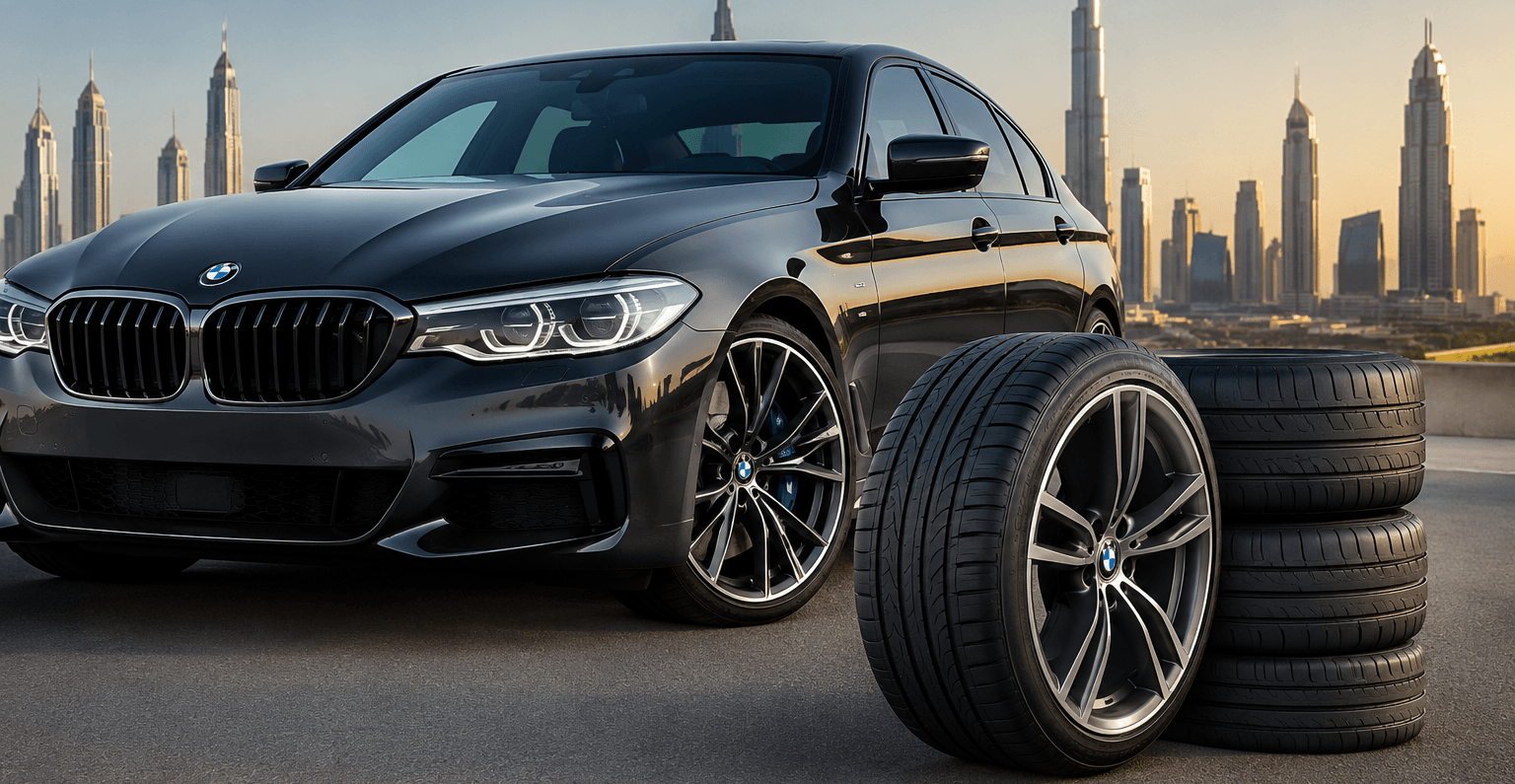
Your tyres play a major role in fuel consumption. Low-quality or under-inflated tyres increase rolling resistance, forcing the engine to consume more fuel. Choosing the right tyres can significantly improve mileage and reduce costs.
Advanced tyre technologies such as optimized tyre tread patterns and low rolling resistance compounds are specifically designed to enhance fuel efficiency. Proper tyre inflation levels, along with regular tyre rotation, help maintain even wear and consistent performance.
In hot climates like the UAE, road surface temperatures can significantly impact tyre compound performance, increasing rolling resistance and affecting fuel economy. Selecting tyres suitable for high-temperature conditions improves both safety and efficiency.
Choose tyres designed for fuel economy optimization, improved aerodynamic efficiency, and enhanced fuel combustion efficiency support through reduced resistance.
As of May 2026, petrol prices in the UAE are AED 3.66 per litre for Super 98, AED 3.55 for Special 95, and AED 3.48 for E-Plus 91.
The diesel price in the UAE for May 2026 is AED 4.69 per litre.
Fuel prices are revised monthly based on international crude oil prices, demand, supply, and refining costs.
E-Plus 91 is the most economical petrol option, but always follow your car manufacturer’s recommendation.
Maintain tyre pressure, drive smoothly, reduce extra load, and service your car regularly to improve fuel efficiency.