May 6, 2026
How To Pass RTA Road Test
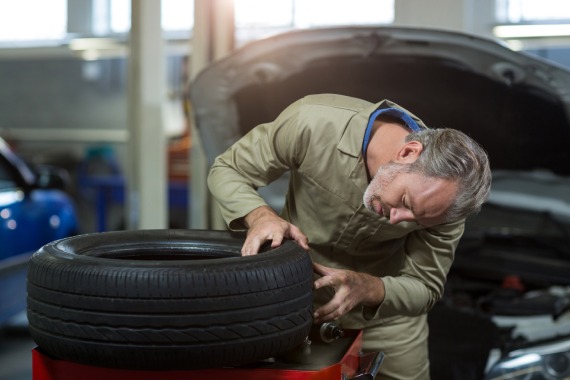
Do you remember the last time you saw simple rubber bands wrapped around wooden wheels to traverse rough and uneven terrain?
Well, maybe not! Because those tires have evolved into sophisticated tyres designed for the performance, safety, and sustainability of your drives. Tyre technology's evolution is remarkable, showcasing incredible advancements that have transformed how you travel.
Join us as we explore the history of tyre development, its new innovations, and how they have revolutionized the road beneath your feet and continue to shape the future of transportation.
Early tyre designs and inventions marked significant milestones in transportation history, evolving from simple wooden discs to the sophisticated rubber tyres we rely on today:
Simple wooden discs were the first wheels, existing about 3500 BC. Usually used on carts and chariots, these solid wheels were created from one piece of wood or many pieces joined together.
Though their lack of shock absorption caused a bumpy and uncomfortable ride, they were effective for their time.
Originally utilized by the Egyptians, spoked wheels first surfaced in 2000 BC. These wheels were smaller and more effective than solid wooden wheels. Usually composed of wood, the spokes lessened wheel weight and enabled a better ride.
Iron bands were applied to wooden wheels as technology developed to boost their strength and lifetime. Beginning in 1000 BC, this evolution gave the wheel a harder surface on which to roll, hence lowering wear and tear.
The development of the steel rim in the 19th century boosted wheel technology even more. Compared to iron bands, steel rims were less likely to break and offered even more longevity.
Rubber tyres were the most important development in tyre technology during the 19th century. Charles Goodyear's discovery of vulcanization in 1839 gave rubber additional elasticity and durability.
Another scottish inventor Robert William Thomson, created the first vulcanized rubber tire in 1847. However, it was Scottish veterinarian surgeon John Boyd Dunlop who first made the air-filled tire in 1895.
Because the air within the tyre absorbed shocks and vibrations, Dunlop's creation offered a far more comfortable and smooth ride for the people, and that is how Rubber tires were born!
But then came the era of high-performance tyres in the 20th century. Let’s have a look at it in the next section.
In the late 20th century, manufacturers started paying more attention to improving tire performance to satisfy current vehicle needs. Their innovations included rubber compositions, tread patterns, and building methods.
Silica-based compounds first introduced in the 1990s enhanced fuel economy and wet grip. By contrast, developments in computer-aided design (CAD) made more exact tread patterns possible, hence maximizing contact with the road.
Modern technology integration has sped up the innovation rate in recent years. Since the early 2000s, tyre companies have pushed the performance envelope by progressively using smart technology and innovative materials.
IoT and artificial intelligence have produced smart tires that can instantly react to different driving situations, such as if the temperature is too hot or the roads are not built properly. However, high-performing tyres help improve safety, efficiency, and make rides enjoyable.
As environmental concerns rose in the late twentieth and early twenty-first centuries, the tyre industry responded with advancements designed to reduce environmental impact.
Eco-friendly tires became a key feature in the green revolution, stressing sustainability while maintaining performance.
Here are a few features of new generation tyres for the green revolution;
To reduce reliance on petroleum-based goods, manufacturers started substituting more natural rubber and bio-based materials, such as vegetable oils, to enhance the biodegradability and sustainability of tires.
Low rolling resistance tyres help to save the energy needed to keep a vehicle moving. These tires are essential in the drive for greener transportation since this development leads to higher fuel efficiency and reduced CO2 emissions.
Because of their materials and design, modern tyres are simpler to recycle. They have components that can be broken down to recycle, lower waste, and advance towards a circular economy.
Advancements in materials and manufacturing have revolutionized tyre technology, offering a range of specialized tyres tailored to diverse driving conditions and environmental concerns.
Here are some of the most recent advancements in the tyre industry;
Run-flat tires are made to keep their shape and function even after the air pressure goes out. They usually have strengthened sidewalls that can hold the weight of the car even if the tire is punctured.
Smart tyres are equipped with sensors and electronic components that monitor various aspects of the tyre’s performance in real time. These tyres can track parameters such as pressure, temperature, and tread wear.
Tubeless tyres don’t require an inner tube to hold air. Instead, their rims form airtight seals to reduce the risk of sudden air loss during punctures, as the tire can often maintain its pressure even with a small hole.
Eco-friendly tyres are designed with sustainability in mind. They use materials with a lower environmental impact, such as natural rubber, silica, and vegetable oils. These tyres are often lighter and have lower rolling resistance, which enhances fuel efficiency and reduces CO2 emissions.
Winter tyres are specifically designed to perform well in cold weather conditions, including snow and ice. They use a special rubber compound that remains flexible at low temperatures, providing better grip.
Summer tyres are optimized for warm weather conditions, providing excellent performance on dry and wet roads. These tyres are ideal for high-performance vehicles and everyday driving in warm climates.
All-weather tyres are designed to perform well in various conditions, making them a versatile choice for drivers who face different weather throughout the year.
The future of tyre technology is being revolutionized by advancements in the Internet of Things (IoT) and Artificial Intelligence (AI). Here's how these technologies are shaping the next generation of tyres:
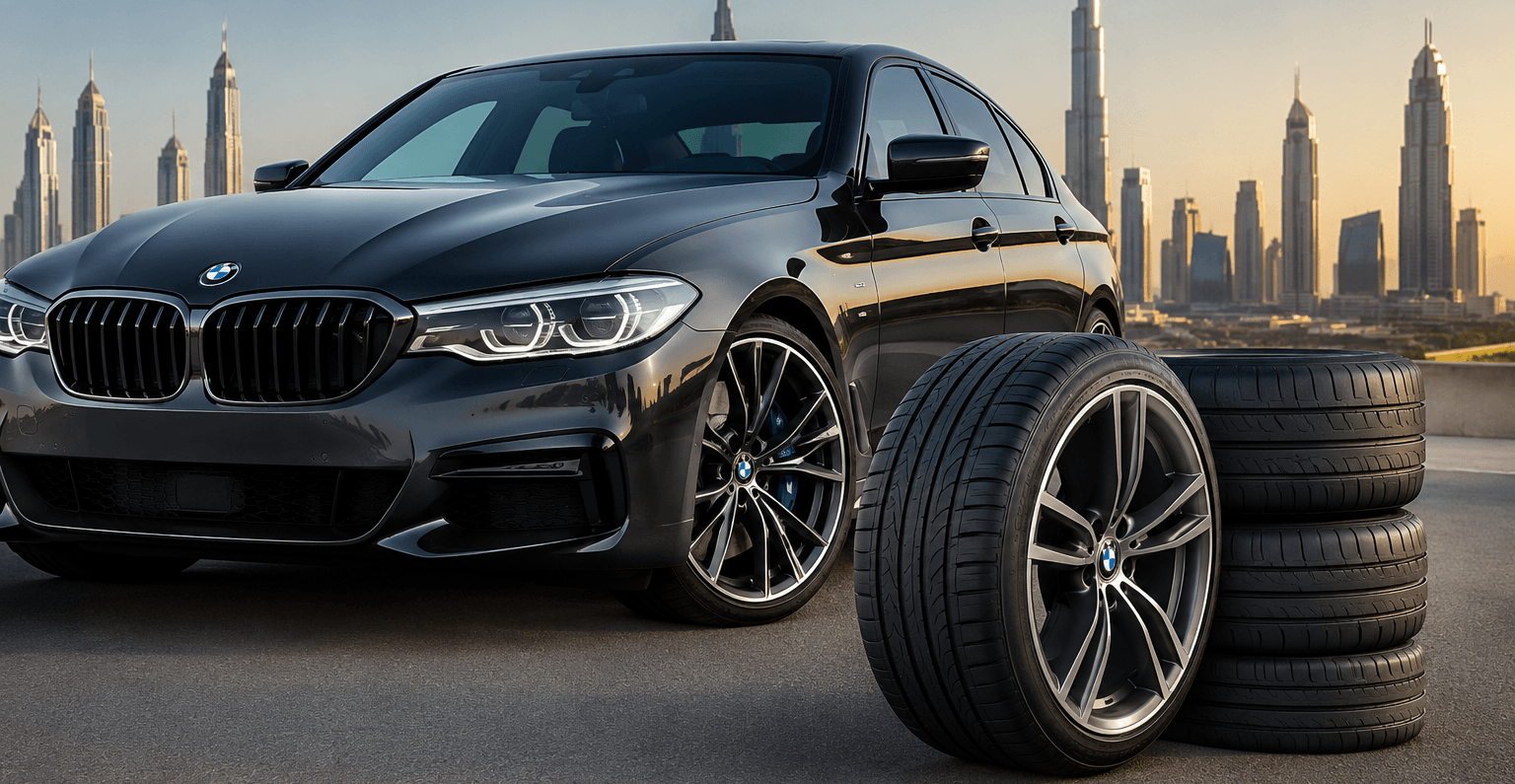
From early designs to advanced modern solutions, continuous evolutions in tyre technology have transformed the way we drive. At TyresCart , we embrace this evolution and offer a range of modern Car Tyres Online in Abu Dhabi that embody the latest advancements in performance, safety, and sustainability.
Whether navigating the bustling streets of Dubai or traversing the rugged terrain of Abu Dhabi, our commitment to quality ensures that you find the perfect tyres for your vehicle.
Our extensive selection of Tires Online Dubai and Abu Dhabi is where quality meets convenience. With TyresCart, your journey begins with tyres that promise reliability, innovation, and exceptional performance.
So, discover our latest Car Tyre Offers in UAE and experience driving like never before.
Tyre technology has evolved from simple wooden and iron-banded wheels to advanced pneumatic tyres with smart sensors, eco-friendly materials, and AI-powered monitoring systems. Modern tyres now offer better safety, fuel efficiency, durability, and performance across different driving conditions.
Smart tyres use IoT sensors and AI technology to monitor tyre pressure, temperature, tread wear, and road conditions in real time. These systems help drivers improve safety, reduce maintenance costs, and prevent unexpected tyre failures.
Eco-friendly tyres are designed with low rolling resistance and sustainable materials like natural rubber and silica compounds. They improve fuel efficiency, reduce CO2 emissions, offer quieter rides, and support environmentally responsible driving.
Summer tyres are optimized for hot temperatures and dry roads, winter tyres provide better grip in cold and snowy conditions, while all-weather tyres balance performance across varying climates. Choosing the right tyre type improves safety and driving comfort.
You can explore a wide range of advanced tyres online at TyresCart, including smart tyres, run-flat tyres, eco-friendly tyres, and premium summer tyres for cars, SUVs, and performance vehicles across Dubai and Abu Dhabi.