May 6, 2026
How To Pass RTA Road Test
Ever been going around a corner and feel like you are starting to slide?! It can be unnerving. Your tires are an enormous reason why you have a lack of grip.
This blog will walk you through the most common reasons why your tires are not up to par, and leave you in a slippery situation. We will also help you Buy Tires Online UAE to have the most secure and comfortable drives. Let’s explore:
Maintaining proper grip is crucial for safe driving. When your tires lose traction, it can lead to hydroplaning, loss of control during cornering, and increased stopping distances. Here are the six biggest culprits behind a slippery situation:
Imagine a balloon, the more air you pump in, the rounder and tighter it gets, right? Tires work similarly. Overinflation creates a tire that's too round, reducing the vital contact patch with the road. This smaller contact area means there's less tread actually gripping the road, significantly reducing traction and compromising your safety.
Under inflation allows tires to deform outward as they roll, which can make the tread squirm and flex more than normal. Not only does this reduce the tire's traction to the road, but uneven tire wear and more heat build-up can destroy the tire. Right tire pressure results in having the perfect contact patch dimension that you need for gaining maximum grip and for optimal safety.
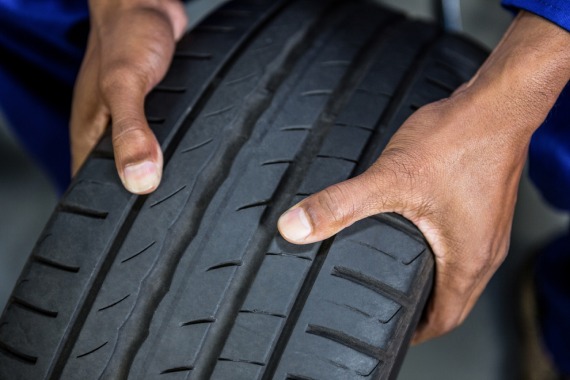
The grooves in the tread are a series of small water diversion channels that help lead water out from under the tire and better grip the roadway. But as your tires wear, those treads become less pronounced and their ability to grip the road diminishes. Example: A shoe sole gets slippery in the wet, right? Tires do the same thing.
As soon as tread depth goes below a safe limit (normally about 3mm) the tyre will lose its ability to disperse water. All of which can eventually cause hydroplaning, less grip and a larger margin for stopping distances - especially in the wet and snowy - than there ought to be.
Consider your shoes fighting to one direction with each step. This is what misaligned wheels do. Instead of rolling straight ahead, they sit at an angle. Misalignment forces a portion of the tire to make more contact with the road than intended.
This uneven pressure patch reduces overall traction and can make your car feel like it's pulling in one direction. The constant scrubbing caused by misalignment leads to uneven tire wear. You might notice one side of the tread wearing down faster than the other. This not only reduces overall tire life but also compromises safety as the worn tread loses grip.
As you drive, all tires develop wear and tear. It's critical to monitor your tread depth to make sure it remains within permitted bounds. The lowest permissible tread depth in most areas is 1.6 mm. Driving is prohibited and dangerous below this point.
But it's crucial to keep in mind that the legal minimum is only the absolute minimum. There are major safety benefits when you replace your tires before they get to this condition. Deeper tread tires provide more traction, particularly on damp or slick surfaces.
This results in improved handling and shorter stopping distances, which keeps you and your passengers safer on the road.
Don't always blame the tires! Road conditions can also play a major role in grip. Wet or icy roads drastically reduce friction between the tire and the surface. This lack of friction can lead to a feeling of your tires losing grip, causing them to spin and potentially leading to a skid.
You can find plenty of Car Tyre Offers Dubai but you need to learn how to maintain them properly. Healthy tires are the foundation of a safe and enjoyable driving experience. Here are some key tips to keep your tires in top shape:
Maintaining good grip is essential for safe driving. As we've explored, several factors can contribute to a loss of traction, from tire-related issues to external conditions.
Remembering the "Big Six" culprits is a good place to start: incorrect tire pressure, worn-out treads, improper wheel alignment, damaged tires, aged tires, and the wrong tire type for the weather.
Regular inspection of your tires' pressure or tread depth, or forgoing the recommended alignments by your car manufacturer may worsen this problem. Besides, care is essential to replace worn-out or damaged tyres immediately.
Suppose someone wants good quality tires that serve them for long. In that case, they may encounter challenges with the Price of Car Tyres in Dubai. But worry not, TyresCart provides you with tyres that are affordable and reliable.
Tyres lose grip due to factors like incorrect tyre pressure (over or underinflation), worn tread depth, wheel misalignment, general wear and tear, and slippery road conditions such as rain or oil.
Both overinflation and underinflation reduce the tyre’s contact patch with the road. This leads to poor traction, uneven wear, and increased risk of skidding or losing control.
The legal minimum tread depth is 1.6 mm, but for better safety—especially in wet conditions—it’s recommended to replace tyres when tread depth drops below 3 mm.
Yes, misaligned wheels create uneven contact with the road, reducing traction and causing the vehicle to pull to one side. It also leads to uneven tyre wear and reduced stability.
Maintain proper tyre pressure, check tread depth regularly, rotate tyres every 5,000–8,000 km, avoid overloading, and drive cautiously on wet or slippery roads. Regular tyre maintenance plays a key role in improving grip and overall safety.