May 6, 2026
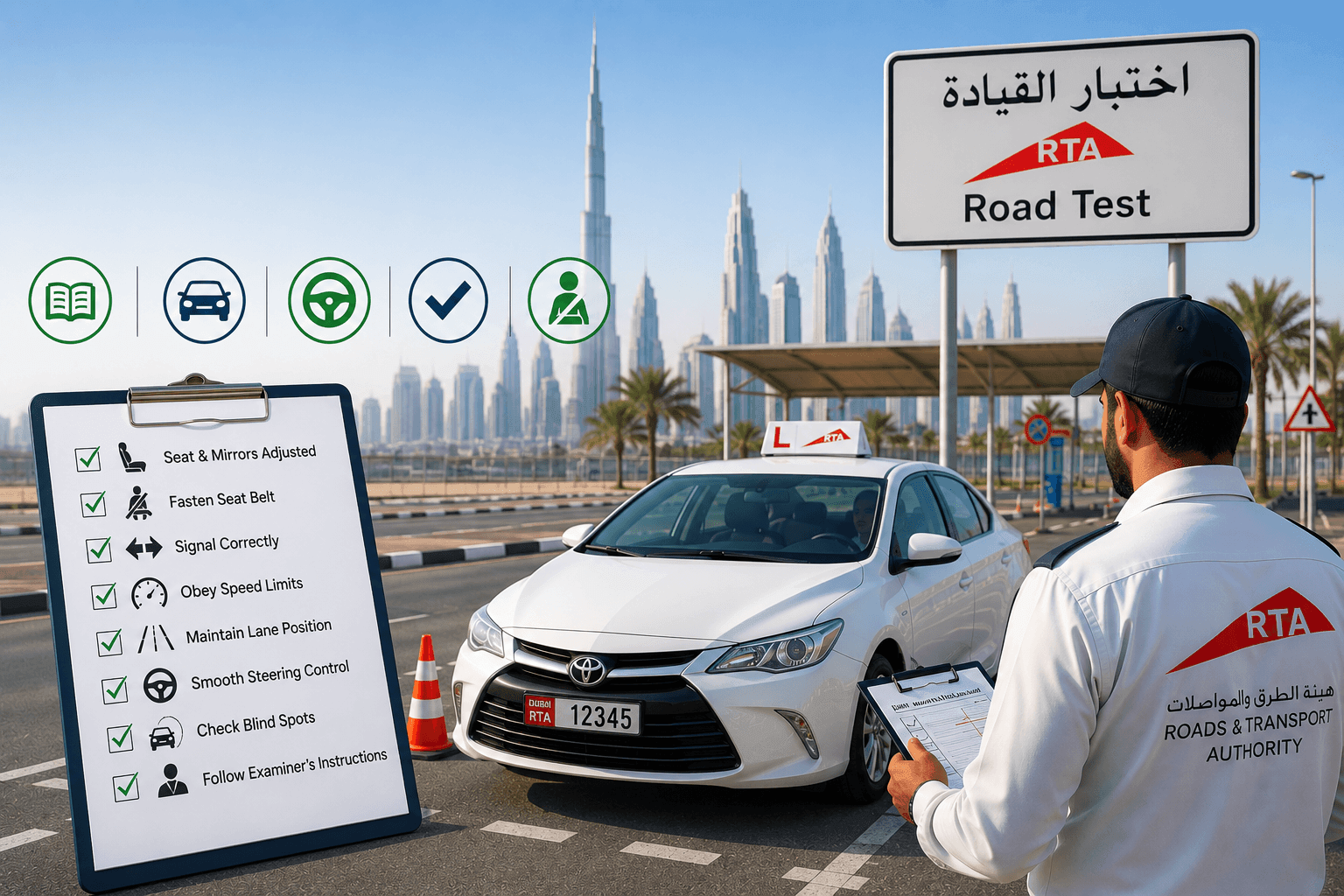
How To Pass RTA Road Test
Tyres are among the most vital components of your vehicle and require more maintenance.
Your tyres are your only point of direct contact with the ground; thus, keeping them in good condition is critical.
There are various negative environmental and technological aspects that may damage your tyres and their life, and if not treated seriously, can have significant consequences for your car.
Here are five warning signals that your car tyres are worn out.
According to the National Highway Traffic Safety Administration, almost 35% of accidents happen due to bad tyres.
It's not surprising that tyres are the most significant reason behind accidents because tyres are what's moving the car and balancing it. As a result, tyre failure can bring disastrous results. This means terrible tyres can roll your car, swerve you into oncoming traffic, or even fly you off the road.
That's why the majority of experts suggest double-checking your tyres. This is because correct tyre pressure and tread decrease the likelihood of a blowout or other tyre-related mishap, keeping you safe on the road.
Many drivers dismiss the importance of tyre pressure and depth. However, driving on tyres with incorrect inflation pressure is risky since it can cause tyre damage and influence the vehicle’s ride, stability, and fuel economy.
It's also essential to get your car tyres from reliable suppliers. Since not all tyres are made, if your tyres need a change, and you’re looking for premium quality at affordable prices, check out car tyre prices in Dubai at TyresCart.
Sign #1: Tread Depth
The tread of your tyres is intended to provide maximum traction in both dry and wet conditions. As a result, maintaining tread depth is vital, since the loss of tread depth reduces the grip. Which indirectly compromises safety during driving.
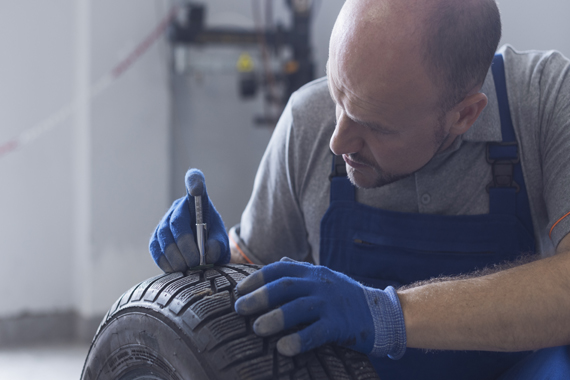
Many manufacturers suggest that your tyre tread depth does not go below 1/16 of an inch, or tyres should have around 2 /32" of remaining tread depth.
There are several methods for determining the tread depth on your tyres. While some old tricks are utilized to check the Tread depth, some newer tyres include little indications between tread grooves containing small blocks.
Sign #2: Cracks And Bulges
Microfractures on the sidewall of your tyre indicate a deteriorated tyre. This can result in a tyre explosion, which can be disastrous.
The radial tyres have layers of beading inserted underneath the tread and shoulder. Also, the tyre's sidewalls are kept flexible to allow the tyre to bend and absorb impact when the automobile goes over uneven surfaces.
However, if the tyre's sidewalls are also ruptured, the tyre must be replaced. It's a clear indication that your tyre is worn out.
Sharp stones and improper driving practices can also create bulges and cracks/tears. tyre explosions are a serious cause of road deaths. Therefore, get such tyres fixed or replaced as soon as possible.
Sign #3: Vibrating Steering
Have you ever noticed severe vibration in your steering? If yes, then the wheel's balance might be the reason. Such vibration might potentially suggest an issue with alignment or balancing.
A vibrating tyre will put unnecessary strain on suspension components if left uncontrolled. If you feel the vibration throughout the drive from your steering wheel, it's best to get your tyres checked. This is because constant vibration can impair a driver's judgement and even lead to accidents.
Another reason behind rhythmic vibration is a bulge on the tyre's sidewall. If you notice the bulge, you will need to replace the tyre since no amount of balancing will help you. Because poor tyre balance is the most typical cause of a vibrating steering wheel, your mechanic will most likely examine your tyres first.
Sign #4: Frequent Punctures
If you are experiencing frequent punctures, it's a telltale sign of a worn-out tyre. Punctures are frequent when the tyre is already on its last legs, has worn out, and must be replaced.
Also, keep in mind that rubber has a limited lifespan, and rubber on tyres older than five years can show signs of damage. During this period, the chemical structure will start deteriorating, impacting the tyre's performance. Moreover, even if there is adequate tread left, it is advisable to replace tires that have been in use for more than five years.
A tyre should be replaced if there are several small rips on the surface or one large tear that will expose the tube. Tubes that have been repeatedly mended for punctured repairs must also be changed since it's generally the weakest area in the tube and might reopen.
Sign #5: Uneven Wear
There are several reasons why your tyres can get uneven wear. For example, if your car tyres are not unaligned or unbalanced for an extended period, they may develop uneven wear. Things like faulty suspension components might also create uneven wear.
If you ignore uneven tyre wear, it will eventually wear away the entire thread, leaving you susceptible to accidents.
Here are some steps to follow:
Conduct frequent weekly inspections. Examine the tyre wall for evidence of swelling, rips, and tears. If you see anything unusual, it's perhaps time to buy tyres online, Dubai.
TyresCart is one of the leading online tyre shops in the UAE and a provider of premium tyres at affordable prices. Buy tyre online in Abu Dhabi today!
The most common signs include low tread depth, cracks or bulges on the sidewall, frequent punctures, uneven wear, and vibrations while driving. These indicators suggest that your tyres are no longer safe and need replacement.
The recommended minimum tread depth is 1.6 mm (2/32 inch). If the tread reaches this level or the wear indicators become visible, it’s time to replace your tyres to maintain proper grip and safety.
Cracks and bulges can occur due to aging rubber, exposure to heat, rough road conditions, or impact from potholes. These issues weaken the tyre structure and increase the risk of sudden tyre failure or blowouts.
Yes, vibration in the steering wheel often indicates tyre imbalance, misalignment, or internal tyre damage. Ignoring this issue can lead to suspension problems and unsafe driving conditions.
Regular Tyre rotation, maintaining proper tyre pressure, and periodic wheel alignment and balancing help prevent uneven wear. It is recommended to inspect tyres every 5,000 km to maintain performance and extend tyre lifespan.