May 6, 2026
How To Pass RTA Road Test
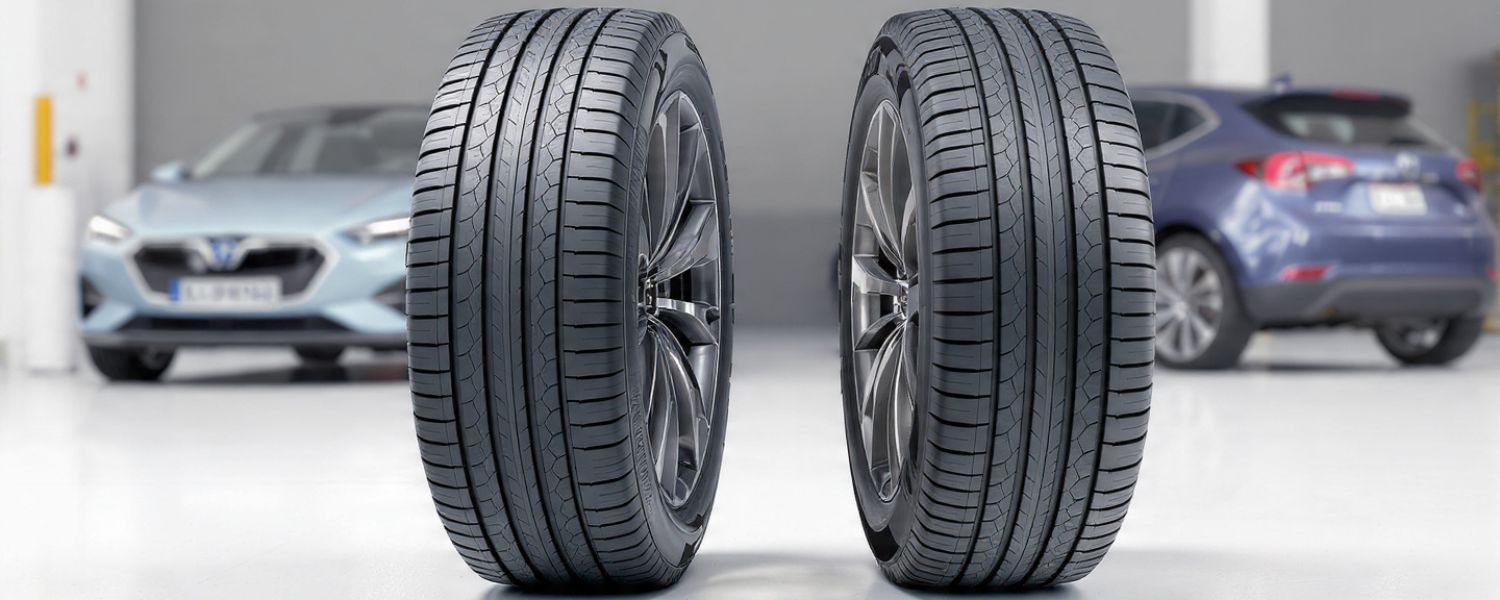
Electric vehicles (EVs) are no longer just a glimpse of the future—they are taking over our roads at lightning speed. They are fast, whisper-quiet, and impressively efficient, with instant torque and zero tailpipe emissions. But while most EV owners obsess over charging speed, battery range, and onboard software, one crucial factor often gets overlooked: the tyres.
Here’s a truth many drivers ignore: putting normal tyres on an electric car is like running a marathon in flip-flops. Technically possible, but far from ideal.
In this guide,TyresCart will dive deep into EV tyres vs normal tyres, explain the real-world differences, and show why choosing the right tyres dramatically impacts range, comfort, safety, and long-term cost.
EV Tyres vs Normal Tyres
The Rapid Shift Toward Electric Vehicles
The automotive world is changing. Governments worldwide are promoting clean mobility, automakers are investing billions in EV development, and consumers are embracing plug-in hybrids, hybrid cars, and fully electric vehicles.
But EVs aren’t just petrol cars with batteries—they are fundamentally different machines. And different machines require specialized tyres.
Why Tyres Matter More in EVs?
In traditional vehicles, engine noise often masks tyre imperfections. In EVs, that silence exposes everything. Tyres directly influence:
Your tyres are the only contact your EV has with the road. If they aren’t optimized, performance, safety, and efficiency all suffer.
Understanding the Basics
What Are EV Tyres?
EV tyres are specially engineered for electric vehicles. They are not simply regular tyres rebranded—they are designed to handle:
EV tyres often include sensor integration, acoustic foam, and lightweight construction to improve traction, efficiency, and cabin comfort.
What Are Normal (Conventional) Tyres?
Normal tyres are designed primarily for petrol and diesel vehicles. Their focus is on:
While conventional tyres can be used on EVs, they are far from optimized. They lack advanced compounds, noise-reduction technologies, and durability features required for high-torque, heavy EVs.
Why Electric Cars Need Different Tyres?
Heavier Battery Weight Explained
EV batteries are heavy—sometimes making the car 20–30% heavier than a comparable petrol model. This extra weight increases axle load, affecting:
EV tyres are built with reinforced construction to handle this load without deforming, overheating, or losing traction.
Instant Torque and Acceleration
Unlike petrol engines, electric motors deliver torque instantly. The moment you press the accelerator, full power hits the tyres.
Normal tyres struggle with this sudden force, leading to:
EV tyres are designed with special rubber compounds and tread designs to manage instant torque, powertrain response, and lateral adhesion, ensuring consistent traction.
Quiet Powertrains and Noise Awareness
Without engine noise, tyre noise becomes much more noticeable. That’s why EV tyres focus heavily on noise suppression, using technologies such as acoustic foam, tread pattern optimization, and vibration damping—features rarely found in conventional tyres.
Structural Differences Between EV Tyres and Normal Tyres
Reinforced Tyre Construction
EV tyres have stiffer sidewalls, higher load index ratings, and carbon-fiber reinforcement to support heavy battery packs and improve cornering stability.
Internal Tyre Architecture
The internal architecture of EV tyres is designed to distribute weight evenly across the contact patch, reducing heat buildup, improving durability, and maintaining lateral stability even in high-speed maneuvers.
Rolling Resistance – The Efficiency Factor
What Is Rolling Resistance?
Rolling resistance is the energy lost as a tyre rolls on the road. High rolling resistance wastes energy and reduces battery efficiency, while low rolling resistance helps maximize driving range.
EV Tyres vs Normal Tyres in Energy Loss
EV tyres use low rolling resistance compounds, lightweight materials, and optimized tread patterns. The result:
Normal tyres generally have higher rolling resistance, which drains battery life faster.
Impact on Driving Range
Low rolling resistance tyres can increase EV range by 5–10%, which can mean the difference between making it home comfortably or hunting for a charging station.
Noise Levels – Why EV Tyres Are Quieter?
Why Road Noise Is More Noticeable in EVs?
No engine noise means road vibrations, tyre hum, and air turbulence are amplified.
Acoustic Foam Technology
Many EV tyres incorporate sound-absorbing acoustic foam, reducing vibrations and cabin noise, making the ride smooth and serene.
Tread Pattern Design
Optimized tread blocks and groove designs minimize air pumping and road interaction noise, enhancing NVH performance.
Grip and Traction Differences
Handling Instant Torque
EV tyres are built to maintain traction during instant torque delivery, preventing wheel spin and ensuring smooth acceleration.
Wet and Dry Grip Performance
Advanced compounds and tread designs deliver reliable grip in all conditions, including wet, dry, and even light snow scenarios.
Cornering Stability
Reinforced tyre construction improves lateral stability, ensuring safe cornering even under heavy battery loads.
Braking Performance and Safety
Stopping Distance Comparison
EV tyres maintain consistent road contact, resulting in shorter braking distances compared to normal tyres under heavy loads.
Heat Dissipation and Load Management
EV tyres dissipate heat efficiently, reducing the risk of tyre failure or blowouts.
Aquaplaning Resistance
Optimized grooves channel water away, improving wet-road safety and reducing hydroplaning risk.
Materials Used in EV Tyres vs Normal Tyres
Advanced Rubber Compounds
EV tyres use specialized compounds that balance low rolling resistance with high grip, maximizing both efficiency and traction.
Silica-Based Technology
Silica in tread designs improves wet traction, reduces rolling resistance, and extends tyre life.
Lightweight Materials
Reducing tyre weight contributes to lower energy consumption and better overall vehicle efficiency.
Durability and Tyre Lifespan
Wear Patterns in EVs
Instant torque can cause uneven wear on non-EV tyres. EV tyres are engineered to resist torque-related wear.
Longevity Comparison
EV tyres often outlast normal tyres when maintained properly, delivering better long-term performance.
Cost Over Time
While EV tyres are more expensive upfront, they deliver lower total ownership costs through better durability, efficiency, and reduced replacements.
Sustainability and Environmental Impact
Energy Efficiency Benefits
Low rolling resistance tyres reduce electricity usage, supporting greener driving.
Reduced Carbon Footprint
Efficient tyres contribute to a lower carbon footprint, even for EVs.
Eco-Friendly Manufacturing
Many EV tyres use recycled materials, eco-certified processes, and are part of a circular economy.
EV Tyres vs Normal Tyres – Side-by-Side Comparison
| Feature | EV Tyres | Normal Tyres |
|---|---|---|
| Rolling Resistance | Low | Medium-High |
| Noise | Acoustic foam + optimized tread | Basic |
| Load Handling | High | Standard |
| Torque Management | Instant torque optimized | Limited |
| Grip & Traction | Wet, dry, and snow optimized | Moderate |
| Lifespan | Longer under EV loads | Standard |
| Sustainability | Recycled & eco-friendly | Conventional |
Common Myths About EV Tyres
Choosing the Right Tyres for Your EV
Understanding Tyre Markings
Look for labels like “EV”, “Electric Ready”, or manufacturer-approved symbols.
Load Rating and Speed Index
Always meet or exceed vehicle manufacturer recommendations.
Climate and Driving Style Considerations
Select tyres based on temperature, weather, and driving habits:
Maintenance Tips for EV Tyres
Tyre Balancing & TPMS: Ensure safety and consistent performance