May 6, 2026
How To Pass RTA Road Test

Tyre width is one of the most significant considerations for your vehicle. It largely impacts the grip, fuel consumption, and comfort of your vehicle. Hence, understanding tyre width and choosing the right tyre width is very important.
So let us dig deeper and understand tyre width, why it is important, the pros and cons of wide and narrow tyres, and how to choose a tyre for car that fits your requirements.
Before we draw a comparison between wide and narrower tyres, let us first understand all about tyre width. Tyre width is the distance measured from one sidewall to the other of the tread in millimetres. For example, if the size of the tyre is 205/55R16, it means that 205 is the tyre width.
Tyre width is very important and has a significant impact on many important aspects of car driving, like:
Therefore, tyre width is not merely some numbers, but it affects the daily driving experience, comfort and performance of your car.
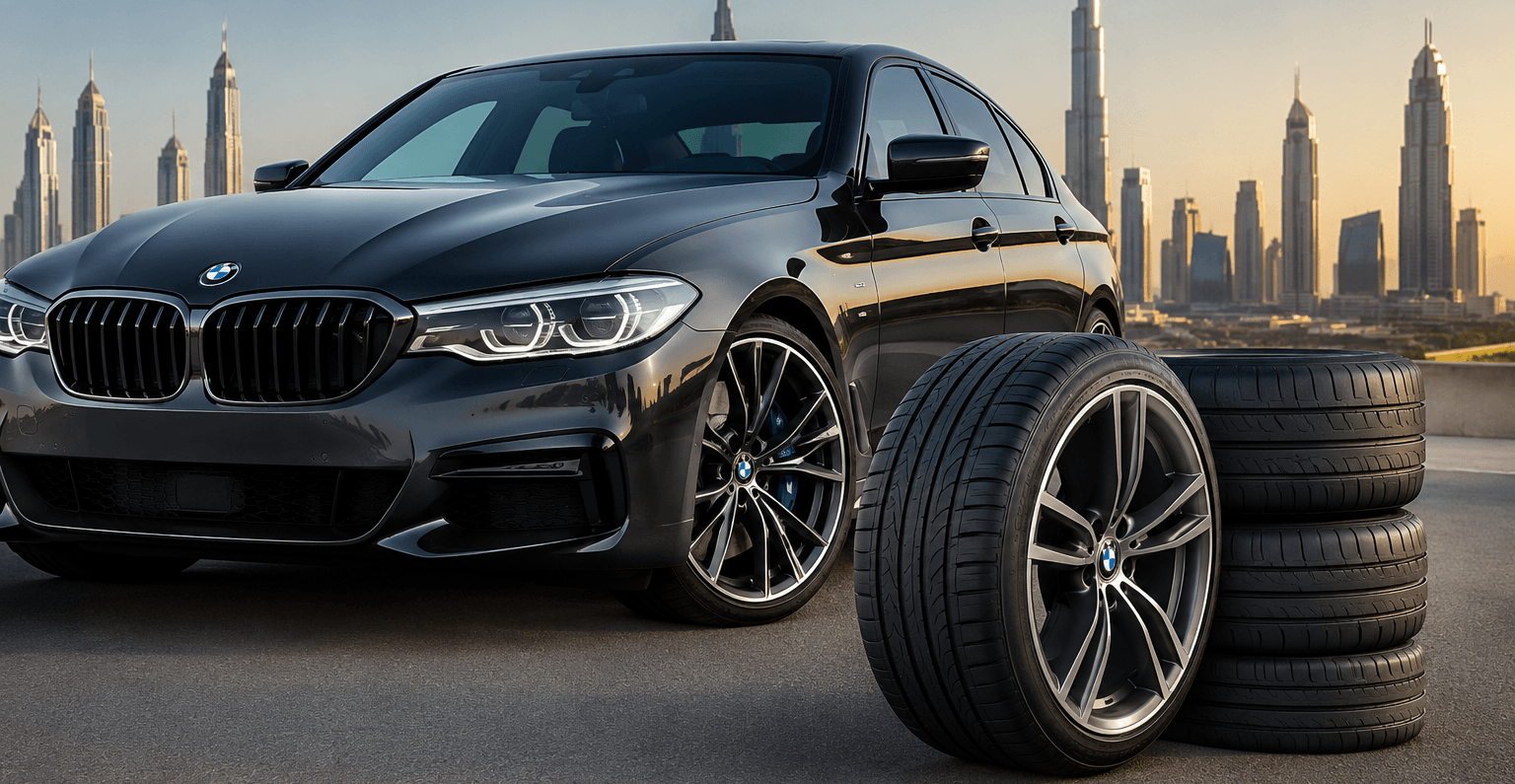
Wide tyres come along with a bigger tread width, which implies more rubber in contact with the road. They are often chosen for SUVs, sports cars, and vehicles that require a strong grip and high-speed stability. They also enhance the overall appearance of the car.
Wide tyres have a larger contact area that can hold the road better. This leads to better handling, traction, and braking. In sudden stops or emergency turns, wide tyres provide more control. Also, they are preferred for off-road adventures due to their ability to handle rough terrain.
The load is distributed more evenly due to the larger contact patch. As a result, wear is reduced, and the tyre lasts longer.
With wide tyres, the vehicle remains grounded on the road even at high speeds. This solid ground contact minimizes the possibility of skidding or losing balance.
For a number of drivers, wide tyres are primarily a choice for aesthetics; they simply look sporty and powerful. The wider footprint completely alters the car's appearance.
Because of their strong grip, wide tyres hold the road well during turns providing a better cornering performance.
Wide tyres also help in better heat control during braking. This supports stronger and more reliable braking power.
The use of wide tyres means that more friction is generated, which means that more energy is required to move the car. This results in less fuel efficiency.
Wide tyres invariably cost more and possibly have higher replacement costs too.
Let’s turn our attention to narrow tyres now. These are the tyres with the smallest tread width and the least contact with the road. Most of the eco-friendly cars use narrow tyres as a part of their design because they save fuel and are cheaper. Besides that, they perform well in winter and wet conditions.
Narrow tyres create less rolling resistance, so the motor does not exert much force. This results in better fuel consumption.
Narrow tyres are quieter because the friction they generate is minimal. This results in a ride that is smoother and more peaceful.
Narrow tyres usually cost less for purchase and change. They are a smart option for price-conscious driving.
They cut down the automobile’s weight and enhance driving in urban areas.
The smaller area of contact provides less stability at high speeds.
Narrow tyres may not provide as much grip as wide tyres on dry or hot roads.
They do not contribute to the car's sporty appearance.
After understanding both the tyres individually, let us now have a quick glance on the differences between wide tyres and narrow tyres.
| Feature | Wide Tyres | Narrow Tyres |
|---|---|---|
| Road Grip | Strong grip on dry roads | Better grip on wet & snowy roads |
| Fuel Efficiency | Lower | Higher |
| High-Speed Stability | Better | Lower |
| Ride Comfort | Sometimes stiff | Smoother |
| Cost | Higher | Lower |
| Road Noise | Louder | Quieter |
| Looks | Sporty | Simple |
| Off-road Ability | Good in sand/mud | Not ideal |
Below are tips to assist you in making the proper decision:
The choice between the wide and narrow tyres depends on your driving style, the condition of the roads, and the performance you want from your car. We at TyresCart assist drivers in making the correct tyre width selection, whether they are purchasing car tires online or checking the latest online tyres offers.
So, visit TyresCart today and let us help you with the perfect tyres for your car.
Wide tyres have a larger tread width, offering better grip, stability, and sporty handling, while narrow tyres have a smaller contact area that improves fuel efficiency, ride comfort, and performance on wet or snowy roads.
Wider tyres are often preferred in the UAE because they provide stronger grip, better high-speed stability, and improved handling on dry highways. They are also suitable for SUVs and performance cars driven in hot weather conditions.
Yes, narrow tyres create less rolling resistance, which helps reduce fuel consumption. They are a practical choice for city driving, daily commuting, and drivers looking for better mileage and lower running costs.
Wide tyres are generally better for high-speed driving because they offer more road contact, stronger cornering grip, enhanced braking performance, and greater stability at higher speeds.
Always follow your vehicle manufacturer’s recommended tyre size and width. Consider your driving style, road conditions, fuel economy needs, and vehicle type before choosing between wide and narrow tyres. GCC-approved tyres are recommended for UAE conditions.