May 6, 2026
How To Pass RTA Road Test
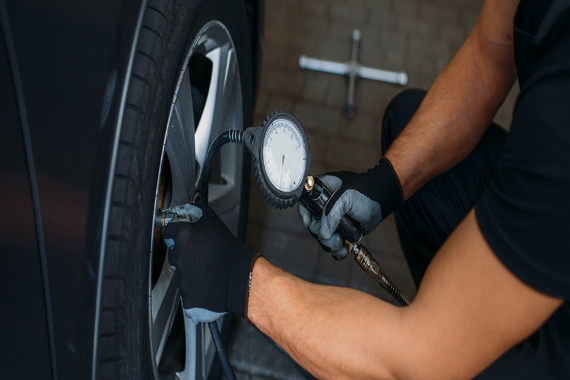
Of late, if you have been experiencing issues with your car not giving the expected gas mileage or fuel mileage more petite than average. Or your steering seemed to be a little slow though you are best at your wheels, or if you feel your car is closer to the ground than expected, it's high time you should be checking your car tires. The reason for these problems can be inflation.
The pressure in the car is required to be checked frequently as it supports good car mileage and facilitates a longer life for your car tires. Every car maker has a recommended tire pressure that must be maintained to handle the car’s life.
Nowadays, the tire pressure to be maintained is written on the car’s driver side door in modern cars. You are required to follow the recommended pressure when you are filling up the tire with air. If the recommended tire pressure is not listed on the car door or inside the driver’s door, specifications shall be listed on the owner's manual.
It is always recommended to check the tire pressure when it is cold. The reason for checking the tire pressure when it’s cold is because when the tires are running on the road, they tend to generate heat because of the friction between the tires and the ground. The results increase the temperature and air pressure. It is always better to rest the car for a few hours or park them overnight to have accurate tire pressure results.
The maximum tire pressure is listed on the car door or inside the driver’s door, or specifications shall be listed on the owner's manual. This is the maximum pressure your tire can hold. Do not inflate your tire to the maximum recorded pressure. This sounds tricky, right? Full pressure counts, the recommended ones can be lesser, which your car can hold. Be watchful when you inflate your car tires.
When the car tires are overinflated, it makes your rides bouncy, and car handling becomes difficult. Inflated car tires can also lead to premature wear of the tire. More heat is generated due to increased friction. On the other hand, when you don’t maintain the recommended pressure on your car tires, it still affects the tire wear and performance of the car. It shall lead to increased maintenance when you have planned to replace your car tires.
The tire pressure monitoring system in your vehicle will warn you that either one or more than one tire in your car is underinflated. This can result in unsafe driving situations. The Tyre pressure monitoring system is a low-pressure indicator about your car tires, and the symbol illuminates on the dashboard instrument. Improper tire pressure can lead to car accidents.
The indirect tire pressure monitoring system measures how fast the tires of the car are rotating while on the move and sends an indication to a computer signifying that something is working wrong with the tire’s rotation. But be mindful as there is a possibility of inconsistency with the indication and it turns out to be inaccurate when you purchase bigger or smaller tires. When the car tires are unevenly worn out it is recommended not to rely on indirect tire pressure monitoring system indications.
The Tyre pressure monitoring system facilitates the delivery of accurate warnings and signals when they are appropriately maintained. The manual air pressure checks can be avoided and replaced with a tire pressure monitoring system. Remember, it is just a different thing in your car maintenance toolbox.
Modern car tyres are made up of two primary structural parts: the tread and belt assembly, and the casing. These include components like tread, steel belts, textile plies, inner liner, and tyre bead, all working together to deliver optimal performance, safety, and durability.
Car tyres are manufactured using a blend of natural and synthetic rubber, steel, and textiles such as nylon, polyester, and rayon, along with specialized chemical compounds. These materials enhance strength, flexibility, grip, and overall tyre lifespan.
The tyre tread is the outermost layer that makes contact with the road surface. It provides traction, ensures strong grip, supports water dispersion to prevent hydroplaning, and contributes to safe handling and effective braking under different driving conditions.
Steel belts and cord plies provide structural strength and rigidity to the tyre. They help maintain shape, reduce rolling resistance, improve fuel efficiency, and enhance durability, allowing the tyre to perform reliably even at higher speeds.
The tyre bead ensures a secure and tight connection between the tyre and the wheel rim, providing stability and proper fitment. The casing, along with the inner liner, helps retain air pressure and supports the vehicle’s load, ensuring smooth, stable, and safe driving.