May 6, 2026
How To Pass RTA Road Test
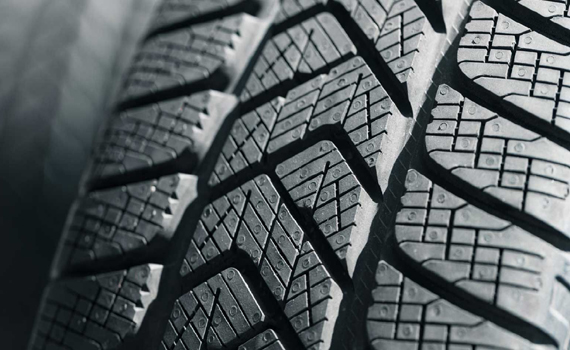
Different industries supply raw materials for the manufacturing of tires. All the raw materials are used in the required proportions, quantities, and methodologies to create the necessary compounds. Quality ingredients are gathered to make up the essential compounds. Primary raw materials include steel, chemicals, natural and synthetic rubber, and textiles
Steel: They are used to manufacture steel belts, steel cords, bead cores, steel wires
Chemicals: Chemicals are used to reduce the wear of the components, enhance grip capabilities, and extend the life of a tire.
Rubber: Natural and synthetic rubber compounds are used to constitute the passenger car tires.
Textiles: Rayon, Nylon, Polyester are base materials for various car components.
The design of the tires, their functions, and the development of steel-belted radial tires have improved over time. Over the last century, rubber tires have been developed for nearly every vehicle on the road today. Car tires have a multifaceted construction. Development in tires has evolved, resulting in making them improved modern tires.
It is possible to group the components of the tire into two main elements based on their structural mechanism - tread and belt assembly & the casing. There are several layers of structural mechanism added to these elements.
Tread and belt make up the outer layers of the car. They are constituted of a rubber layer and enclose the casing. They are responsible for enabling low rolling resistance, optimal handling, extended life, and decent fuel mileage.
Tread is textured surfaces and ensures grip on the road. Added up to a decent mileage with proper grip, it provides safety in all circumstances. The tread connects the tire’s sidewall to the road and is also responsible for water expulsion.
A strong, single-long embedded rubber cord spirals around the tire circumference. This layer is directly beneath the tread and ensures that the tire travels at high speed when in use. The rubber cord runs from one side of the tire to the other side and ensures that they don’t overlap with different layers of the cords.
Rubber cords are used on modern tires to prolong their life and make them more durable. The traditional linen fabric was embedded in rubber cords rubbed against each other when traveling at high speed. This resulted in shorter tire life.
Hence the nylon cord embedded in rubber is a constituent of the jointless cap plies in modern car tires.
They provide rigidity to the tire and enhance retaining the shape of the tire and directional firmness. Due to the continuous rolling of the car tires, it can result in resistance.
Steel cord belt plies help reduce the resistance and increase the performance of the tires by adding improved mileage.
The casing is the interior of the tires, and these casing cushions are made of air. It's the air that carries the load and not the tires in the car. Inflation pressure is essential to check or lead to a flat tire when checking is ignored.
The textile cord ply is responsible for maintaining the tire's internal pressure. The airtight inner liner controls the tire pressure inside the tire. Most of the modern cars are tubeless; hence they act as inner tubes.
A tire bead connects the tire to the wheel. The tire bead components are effectively designed to firmly be seated on the wheel groove firmly. Air pressure enables the tire to be held in place on the wheel. The tire bead is made up of Bead reinforcement, Bead apex, and Bead core. These components provide steering comfort, facilitate steering response, and enhance steering steadiness based on directions.
Once all the components make up the tires, they are sent for quality checks and inspections. Approved tires are sent to the delivery warehouse for distribution and shipment.
Modern car tyres are made up of two primary structural parts: the tread and belt assembly, and the casing. These include components like tread, steel belts, textile plies, inner liner, and tyre bead, all working together to deliver optimal performance, safety, and durability.
Car tyres are manufactured using a blend of natural and synthetic rubber, steel, and textiles such as nylon, polyester, and rayon, along with specialized chemical compounds. These materials enhance strength, flexibility, grip, and overall tyre lifespan.
The tyre tread is the outermost layer that makes contact with the road surface. It provides traction, ensures strong grip, supports water dispersion to prevent hydroplaning, and contributes to safe handling and effective braking under different driving conditions.
Steel belts and cord plies provide structural strength and rigidity to the tyre. They help maintain shape, reduce rolling resistance, improve fuel efficiency, and enhance durability, allowing the tyre to perform reliably even at higher speeds.
The tyre bead ensures a secure and tight connection between the tyre and the wheel rim, providing stability and proper fitment. The casing, along with the inner liner, helps retain air pressure and supports the vehicle’s load, ensuring smooth, stable, and safe driving.